Uncategorized
Gaming Gift Ideas That Match Their Setup
Jul
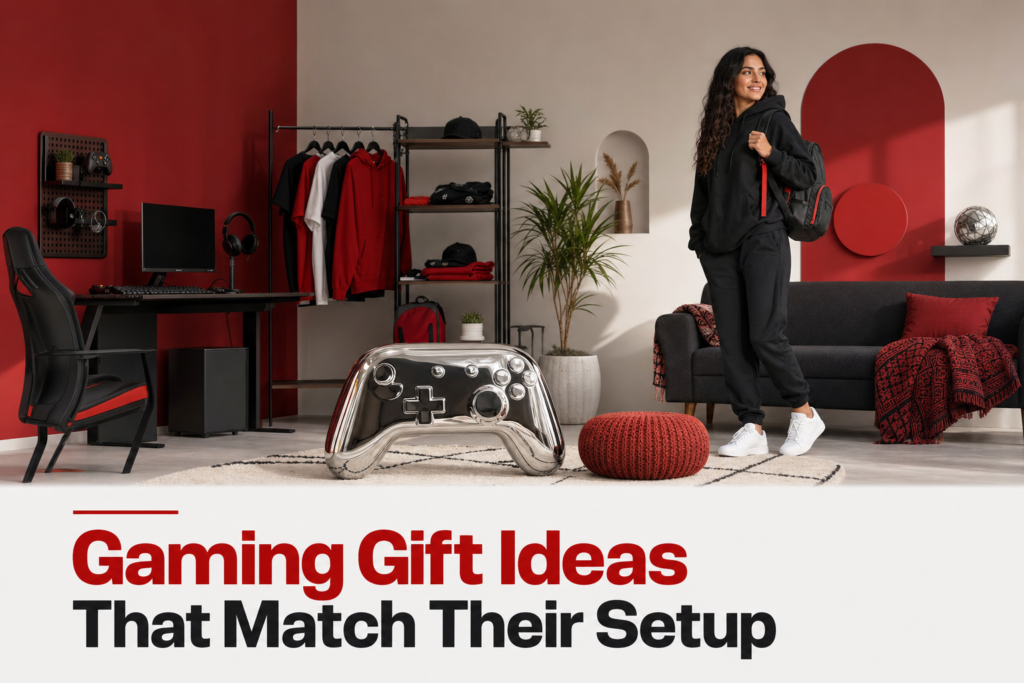
gaming gift ideas work best when you stop shopping by category and start shopping by setup. The right present is usually the item they will actually wear, keep on the desk, or display every day, not the loudest thing with a controller printed on it. If you want a gift that feels personal without guessing blind, use their play style, room setup, and tolerance for bold references to narrow the choice fast.
What should you know before choosing gaming gift ideas?
The first thing to know is that the best gift choice comes from behavior, not from the word ‘gamer’ alone. A person who grinds ranked matches, a casual co-op player, and someone who mostly watches streams can all like games but want completely different items. Before you buy, identify where gaming shows up in their daily life: on their body, on their desk, or in their room. That one distinction prevents most bad purchases.
What are the best gaming gift ideas for a gamer’s setup? The best gaming gift ideas are items that match how the recipient uses their space every day: apparel for someone who likes wearable references, desk accessories for someone who spends hours at a PC, and room decor for someone who treats the setup as part of their identity. Add game-specific humor only if you know the reference lands.
Match the gift to how they play
Play style tells you whether the gift should be practical, expressive, or decorative. A competitive player usually notices desk comfort, organization, and sharp in-jokes tied to roles, ranks, or team habits. A casual player often gets more use from relaxed apparel or a mug than from highly specific desk gear. If you need a quick filter, start with how to match a gaming gift to their play style and map the gift to the way they actually spend time.
Check what they already own
Existing gear matters because duplicates feel careless even when the product is good. Look for the obvious signals: already wearing oversized hoodies, a desk packed with accessories, a clean minimal room, or walls that are still blank. If their setup is already cluttered, another desk trinket becomes friction, not value. If they repeat the same hoodie every week, apparel is often safer than decor because you already know they use that category.
Separate novelty from daily use
Daily-use gifts usually win because they stay visible after the unboxing moment. Novelty merch gets a laugh once, then disappears into a drawer if it is too loud, too specific, or awkward to fit into the room. A useful rule is simple.
- If they can wear it outside, apparel has high repeat use.
- If it solves desk friction, an accessory earns its space.
- If it improves the room visually, decor should match existing colors and mood.
That is why good gamer gifts are less about finding the funniest slogan and more about fitting an item into an existing routine.
Which gift type fits their setup best?
The right gift type depends on where the recipient expresses gaming identity most visibly. Apparel fits people who want gaming references in everyday life. Desk accessories fit players whose setup is their command center. Home items fit people who treat the room itself as part of the hobby. If you choose the wrong zone, even a well-designed item can feel off because it asks them to use gaming culture in a place they normally keep neutral.
Apparel for everyday wear
Apparel is the safest category when you know their style but not every detail of their hardware. Hoodies, tees, and outer layers work because they travel beyond the desk and still signal identity. The strongest picks are designs that read clean at a distance and reward closer recognition, like a role joke, ranked mindset line, or League reference that another player would catch. For fit and feature thinking, which gaming hoodie features matter most before you buy? is the useful lens.
Apparel is especially strong for a gaming gift for him or a gaming gift for her when you know they already wear graphic pieces, oversized layers, or neutral basics that can take one gaming-themed item without fighting the rest of the wardrobe. The mistake is buying a design louder than the person’s normal style.
Desk accessories for a cleaner setup
Desk accessories fit best when the recipient spends long sessions at a PC and cares about how the station looks between matches. This category works when the item either organizes the space, protects gear, or adds a visual layer without creating clutter. Laptop sleeves, mouse pads, mugs, and backpacks all sit in the sweet spot between useful and expressive.
- Mouse pads work when the desk is active and visible.
- Mugs work when they always keep a drink nearby.
- Backpacks work when gaming identity follows them to school, work, or travel.
If you are weighing utility first, when a custom gaming mouse pad is worth buying helps separate a real setup upgrade from a filler accessory.
Home items for room personality
Home decor is best for gamers who curate the room like a personal arena. Posters, wall flags, and display items make sense only when the walls are part of the setup story. They are strongest for people who stream, take setup photos, or clearly care about the room’s visual identity. They are weakest for renters who keep things minimal or for anyone whose room already mixes a very different aesthetic.
Decor also needs scale discipline. A small desk can handle a mug. A blank wall can handle a poster. A crowded room cannot absorb another statement piece just because it is branded. If you are deciding between subtle and bold room pieces, compare gaming home decor that feels like your rank with gaming room decor that feels competitive, not messy.
How do you choose a gift by gamer personality?
You choose by reading what kind of signal they enjoy sending. Some gamers want their setup and clothing to announce their role, rank mindset, or favorite game. Others like gaming but prefer references that only insiders catch. Personality is the real filter most gift guides miss, and it matters more than price because a perfectly decent item can still feel wrong if it broadcasts the wrong energy.
Competitive player signals
Competitive players usually respond to gifts that reflect intensity, repetition, and role identity. They tend to like phrases, graphics, or motifs that sound like ranked culture rather than generic ‘eat sleep game repeat’ energy. Think focus, clutch moments, lane roles, team blame jokes, or improvement mindset. A design with edge often lands better than a broad gaming icon because competitive culture is tribal and reference-heavy.
If they follow esports, queue with the same squad, or talk in role language, you can lean harder into niche merch than you would for a general player. That is also where items from Gaming Clothing often outperform generic gift-store apparel, because the reference feels like it came from inside the culture rather than outside it.
League of Legends and in-joke preferences
League of Legends references work only when you know the joke category they actually enjoy. Some players like champion-linked identity, such as Jinx-themed style. Others prefer role jokes, like jungle blame or top-lane ego. Others want broader phrases tied to penta kills, tilt, AFK culture, or team chaos. The gift feels thoughtful when the reference matches the kind of joke they already make, not just the title of a game they once played.
That is why League of Legends merch by wearability and style is a better model than a generic ‘best LoL gifts’ list. It helps you ask the right question: do they want recognizable fandom, or insider humor that only another player would decode?
Low-key versus loud style preferences
Low-key players want subtle references, while loud-style players want visible statements. You can usually tell the difference from what they already wear and display. If their wardrobe is mostly black, white, grey, and one-color graphics, choose cleaner designs and smaller references. If they already wear anime prints, esports jerseys, or slogan hoodies, they can handle bolder merch without feeling costume-like.
- Low-key style: minimal text, restrained color, one-reference designs.
- Mid-level style: readable gaming line plus wearable base color.
- Loud style: large graphics, strong role jokes, obvious fandom cues.
This single style check prevents the classic mistake of buying a technically relevant item that never leaves the closet.
Which gaming gift questions do shoppers ask most?
The most common questions have straightforward answers if you judge by use, fit risk, and personality signal. Start with the category they already engage with, then narrow by how bold the design should be. That approach keeps the gift safe without making it bland.
What is a safe gift for a gamer?
A safe gift for a gamer is usually a wearable hoodie, a mug, a backpack, or clean wall art tied to a game or competitive joke they already recognize. Safe does not mean generic. Safe means low fit risk, easy everyday use, and a reference specific enough to feel chosen but not so niche that it misses.
What gaming gift works on a budget?
A budget gaming gift works best when the item still enters daily routine. Mugs, posters, smaller accessories, and simple tees usually beat novelty gadgets because they are easier to use and easier to match to an existing setup. On a tight budget, spend your effort on getting the reference right rather than stretching for a larger but less relevant product.
Is apparel or desk gear the better choice?
Apparel is better when the recipient signals gaming identity through clothing, while desk gear is better when they spend long hours at a visible setup and care about how it looks. If you are unsure, apparel usually has broader everyday use. If their desk is clearly curated, desk gear can feel more personal because it lives where they play.
The practical rule is simple: buy the item that fits a habit you can already see. If you can picture them wearing it, using it at the desk, or hanging it the same week they open it, you have the right gift. If you are still guessing, start at Yes Gaming Plz and choose the category that matches their setup before you choose the joke.
