Uncategorized
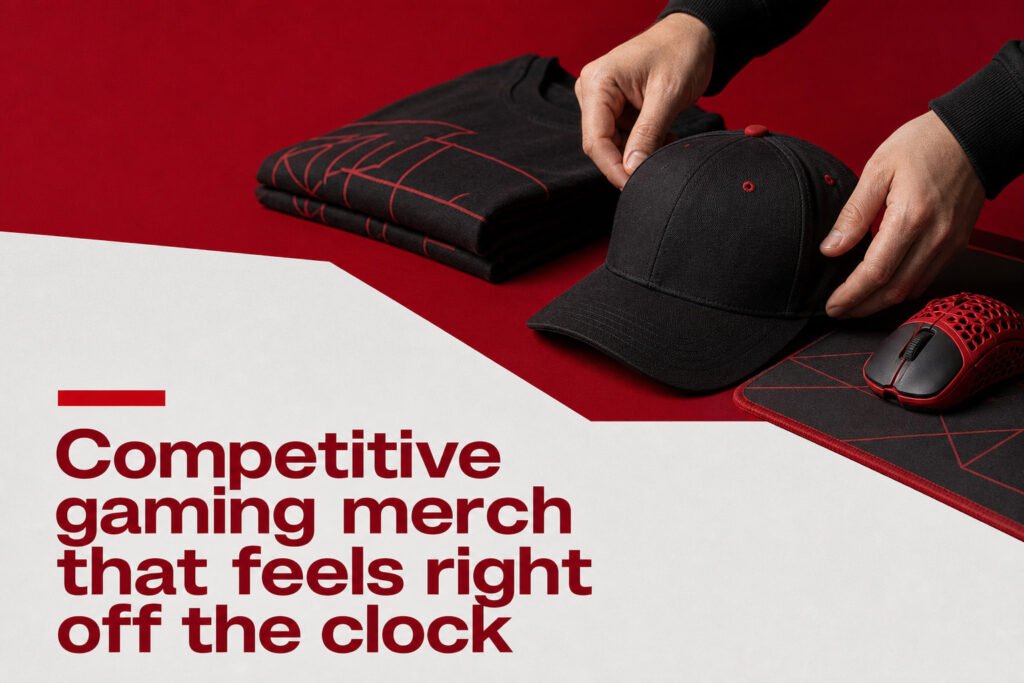
Competitive gaming merch that feels right off the clock
Jul
competitive gaming merch works best when it reads like a real signal to other players, not a costume for people outside the scene. The right piece should tell someone you know the culture, the roles, the tilt, the jokes, and the grind, while still being something you can wear to class, carry to work, or keep in your setup every day. That means judging merch on two filters first: does the reference feel earned, and does the item still function well when you are off the clock?
What makes competitive gaming merch feel authentic instead of generic?
Authentic merch is specific, readable to the right people, and restrained enough to live beyond a match lobby. The biggest difference is not whether a design mentions gaming at all, but whether it points to a real slice of competitive culture: role jokes, ranked language, champion identity, or multiplayer habits that only active players instantly catch. Generic merch says ‘I play games.’ Authentic merch says what kind of player you are.
A quick answer to the buying question is this: look for designs with a narrow reference, a clean visual hierarchy, and an item choice that suits daily use. Strong competitive pieces usually do three things at once.
- They reference a real game culture, such as League of Legends role language or familiar team-fight terms.
- They avoid over-explaining the joke, which keeps the design from feeling like novelty merch.
- They place the reference on a useful item, so the piece still makes sense when nobody around you is talking about ranked.
Why in-jokes matter
In-jokes matter because they create social accuracy. A line like ‘Blame the Jungler’ or a role-based phrase lands differently from a broad controller icon or neon ‘gamer’ text. It tells other players you are inside the same ecosystem of frustration, map awareness, and bad calls. That shared recognition is what makes the merch feel personal rather than mass-market.
Good in-joke merch also ages better. Broad slogans get stale fast because they depend on hype. Multiplayer jokes tied to habits, roles, and common match experiences stay relevant because the behavior behind them does not disappear every season.
How niche references change the look and feel
Niche references usually make a design look cleaner, not busier. A specific phrase, emblem, or champion-adjacent cue can carry more identity than a collage of keyboards, headsets, RGB streaks, and random symbols. If a design needs many visual cues to explain itself, it often means the concept is weak.
That is why game-specific collections tend to feel sharper than generic esports merch. They are allowed to assume knowledge. If you want examples of this tighter identity, League of Legends merch by wearability and style shows how references can stay recognizable without becoming loud.
When a design is too broad to feel personal
A design is too broad when it could belong equally to a casual mobile player, a streamer parody account, or a random gift shop. Watch for phrases like ‘eat sleep game repeat,’ overused controller graphics, and artwork that says nothing about your actual play style. Those pieces are not wrong, but they rarely feel like they belong to a competitive player with a specific identity.
The better test is simple: if another ranked player saw it, would they learn something real about your taste, your game, or your role? If the answer is no, keep scrolling.
Which products are easiest to wear or use every day?
Hoodies, laptop sleeves, and clean wall pieces are the easiest daily picks because they combine visibility with function. They let you carry competitive identity into normal routines without turning every outfit or room into a theme build. For most shoppers, these categories beat novelty items because they get repeated use, show less buyer’s remorse, and fit both self-buying and giftability.
What should you look for in competitive gaming merch? Choose merch with a specific in-joke, practical daily use, durable print, comfortable fabric, and visuals that still look good away from your setup. The best pieces signal your game sense or role identity without shouting, and they should survive regular wear, carrying, or display without peeling, sagging, or cluttering the room.
Hoodies for daily wear
Hoodies are usually the safest buy because they handle repeat wear, layering, and mixed settings better than most gamer apparel. A good gaming hoodie should still work with plain jeans, cargos, or joggers. If the design only works as a full gamer outfit, it is less versatile than it looks on product pages.
Focus on chest placement, back print scale, and color contrast. Small or medium graphics usually wear better across more settings than full-surface art. If you want a deeper checklist, which gaming hoodie features matter most before you buy breaks down the details that affect comfort and repeat use.
Laptop sleeves for carry and protection
Laptop sleeves are underrated because they combine utility with low-effort personality. They travel to class, work, cafes, tournaments, and shared spaces without demanding a full outfit commitment. That makes them ideal for buyers who want competitive identity in a practical object rather than in obvious apparel.
The best sleeve designs use controlled graphics, not visual noise. You want enough contrast to read the concept, but not so much clutter that scratches, zipper lines, or daily handling make the piece look messy. A sleeve also has to survive friction, bag pressure, and repeated handling, so print stability matters more here than on a poster.
Posters and home items for setup personality
Posters and small home items are easiest when your goal is setup aesthetic rather than wearable style. They let you push the competitive vibe further because the room can hold stronger references than clothing can. A wall piece can lean into ranked energy, team language, or sharper color contrast without affecting everyday wearability.
The mistake is buying too many statement pieces at once. One strong poster, one desk item, and one functional accessory usually create a cleaner identity than filling every visible surface. If your room already has RGB gear and dark peripherals, gaming posters that finish a setup cleanly is a useful filter for avoiding visual overload.
How do you judge quality before you buy?
You judge merch quality by checking print behavior, fabric hand feel, and construction details in that order. Buyers often focus only on the artwork, but bad execution shows up first in cracking prints, stiff fabric, twisted seams, and edges that lose shape after normal use. A competitive piece should still look intentional after repeated wear, carrying, washing, or display.
Print method and finish
The first thing to inspect is whether the print looks bonded into the garment or like a thick layer sitting on top of it. Heavy, plasticky prints can feel sharp on day one but often age worse in daily wear because they become the stiffest part of the garment. Cleaner finishes tend to move better with the fabric and feel less like a sticker.
Also check whether the product photos show fine lines, edge sharpness, and solid fill consistency. If small text looks muddy in close-up images, the real item will not look better in person. For sleeves and posters, watch color blocking and edge cleanliness, because blur is easier to spot on flat surfaces.
Fabric weight and comfort
Fabric quality is not just about thickness. A hoodie can be heavy and still feel rough, hot, or oddly stiff. What you want is balance: enough body to drape well and hold shape, but enough softness to make repeat wear realistic. That is especially important for gaming themed clothing, because many buyers love the design but stop wearing the item if the fabric feels scratchy or traps heat.
Read product descriptions for fiber blend, fit language, and care notes. A piece described only through the graphic and not the garment itself is harder to trust. Comfort details are part of quality, not a bonus feature.
Stitching, seams, and durability
Construction tells you whether the item was built for repeat use or just for a product mockup. Look for straight seams, ribbing that appears even, cuffs that recover their shape, and hems that do not wave or curl in photos. On sleeves and bags, zipper alignment and edge finishing matter as much as the print.
- Loose threads alone are not always fatal, but uneven seam lines often signal weaker consistency.
- Thin collars or cuffs lose structure faster and make a hoodie look tired even if the print survives.
- On posters, weak paper or poor finish makes corners wear out quickly during handling or reframing.
If the listing gives you no close-up detail, treat that as missing information, not as a neutral sign.
What questions do shoppers usually ask before choosing merch?
Is game-specific merch better than broad gamer merch? Yes, if you want authenticity. Game-specific merch usually feels more personal because it signals real familiarity with a title, role, or joke. Broad gamer merch is safer for casual gifting, but it rarely carries the same identity value for competitive players.
Are hoodies or posters the better first buy? Hoodies are the better first buy for most people because they combine repeat use, visibility, and comfort. Posters win when your wardrobe is already set and your priority is setup personality rather than daily wear.
How can you tell if merch will work off the clock? Check whether the item still looks good without the gaming context. A hoodie should pair easily with plain basics, a sleeve should look clean in public spaces, and a poster should match the room even when the monitors are off.
What makes merch feel giftable instead of risky? Giftable merch uses a clear but not overly narrow reference and sits on a practical item. Hoodies, sleeves, mugs, and clean posters are safer than highly specific joke pieces unless you know the recipient’s exact game, role, and taste.
Should you buy a full matching set? Usually no. Start with one anchor piece and one supporting item. A hoodie plus poster, or a sleeve plus mug, creates a stronger identity than a full set bought all at once because it leaves room to see what you actually use.
Does authentic competitive gaming merch need to be subtle? Not always, but it does need control. Loud merch can work on wall pieces and selected accessories. For clothing, subtle usually lasts longer because you can wear it more often without feeling like the design is wearing you.
The practical rule is simple: buy the item that fits your real routine first, then choose the reference that only the right players will catch. That is how competitive gaming merch stays sharp, personal, and worth using long after the first reaction.
